Tosyali SULB: $2.5B from Benghazi to Global Markets
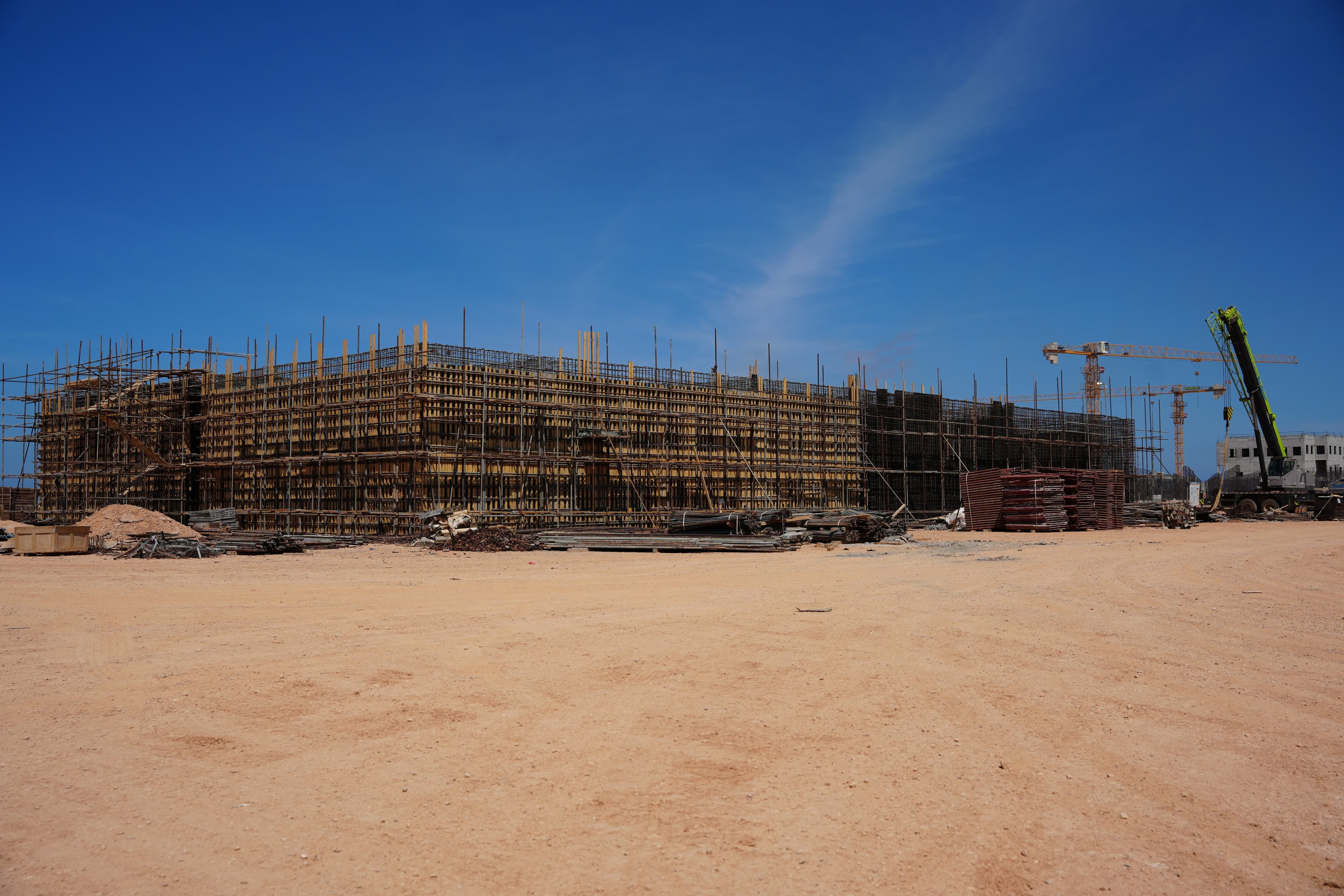
Tosyali SULB’s busy week continued with progress at various locations around Benghazi. Teams are now on site in many of the areas that will eventually function as one steel complex as concrete work continues and more steel is being set up.
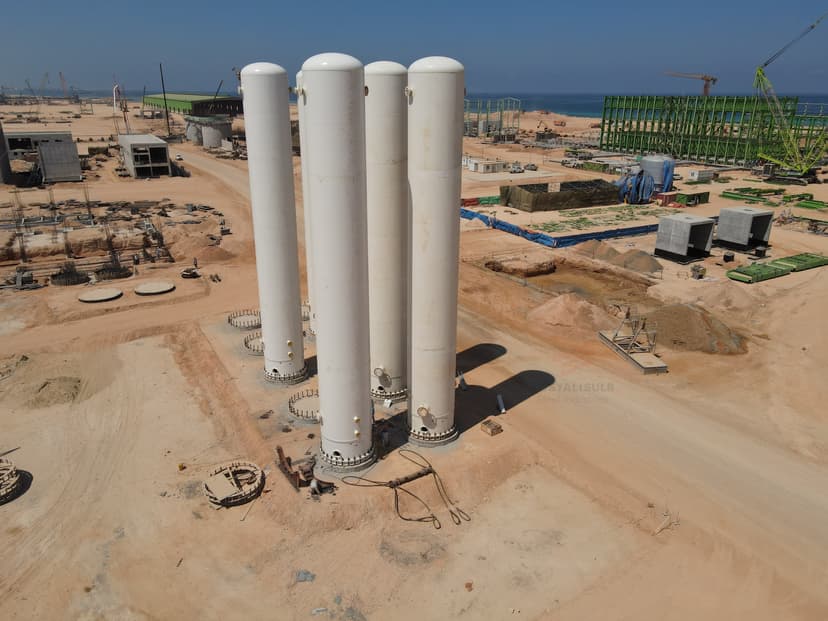
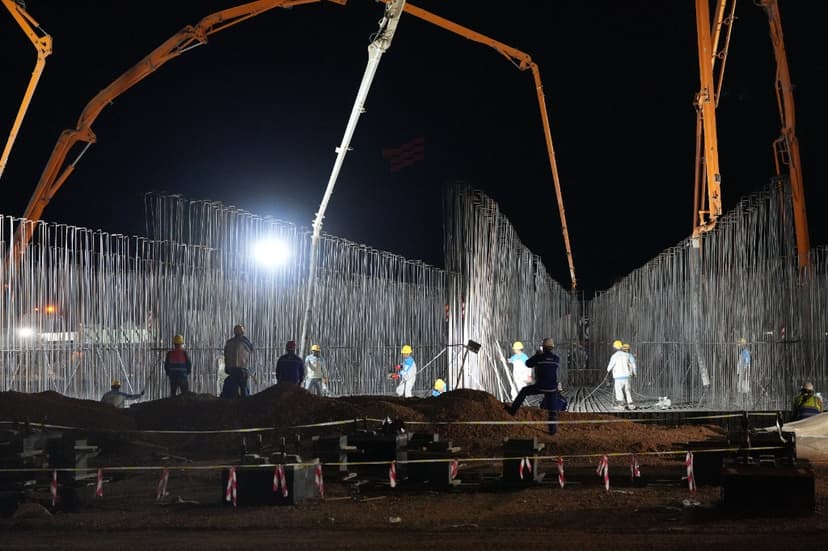
Some of the newest work is occurring around the infrastructure that the plant will depend on every day. The Raw Water Intake walls have now been poured in concrete and foundations for the 220 kV substation and the water pump walls in the Air Separation Unit area are in place. Work is also underway around the CDRI Passivation Silos, cooling towers and conveyor crossings.
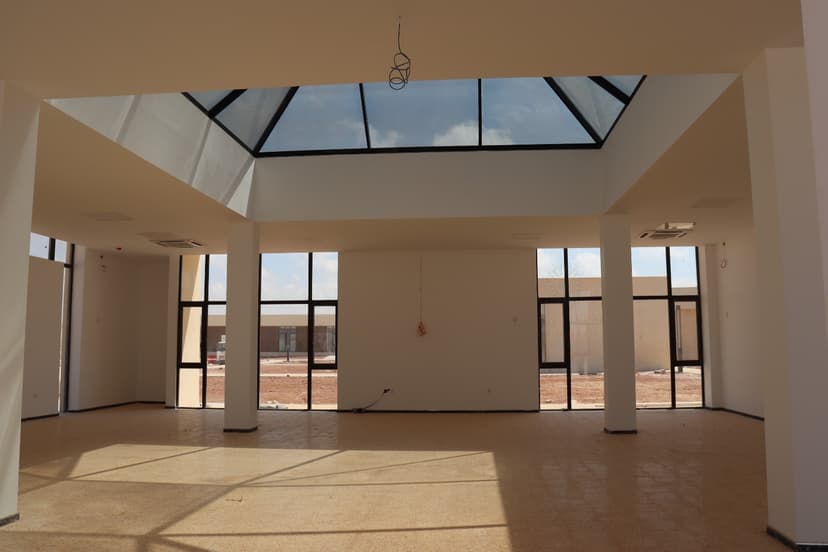
Elsewhere on site steel columns and beams are going up in the Reduction Area and along the Pipe Rack, cladding is going up around the iron oxide silos. The administration and maintenance buildings are in a different stage, with plastering and finishing work already in progress.
Add all of these areas together and the scale of what is being constructed becomes much more apparent. The Benghazi project is expected to draw some $2.5 billion of investment, with direct reduced iron at the heart of plans for lower-carbon iron and steel making in Libya.
The plans are also far larger than the Libyan market. Rebar and pipes are aimed at the domestic market, while about 90% of the project’s output is earmarked for export. Benghazi’s Mediterranean location means that European and African markets are relatively close at hand, providing the complex with an important export dimension alongside its domestic role.
The bigger picture helps to give context to the work that is happening on site today. The water systems, substation, Reduction Area, cooling towers and storage facilities may appear as separate construction areas now, but they will ultimately have to work together as one plant.
The energy infrastructure is not different. The first stage of the gas supply arrangements is already in place and work is underway on the complex’s electricity infrastructure that will be needed when production begins. Work on the control room and switchgear building has also progressed and foundations for the 220 kV substation have now been poured.
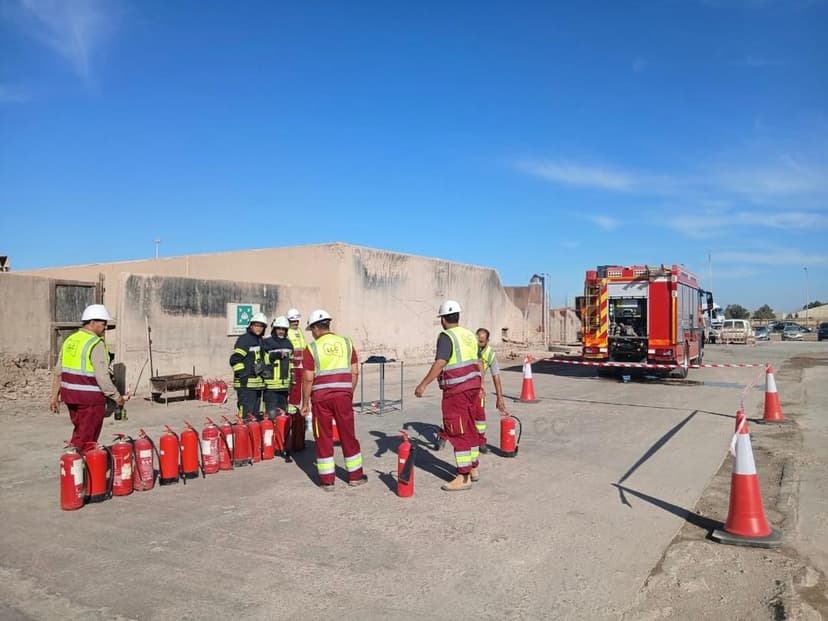
There’s a lot of people behind that advancement. In the latest reporting period 984 people were working on the project with trucks, excavators, water tankers and other heavy equipment supporting work across the site.
Compared to the earlier months, it feels like a different stage of construction for Tosyali SULB. The work is getting more varied. Teams are pouring concrete in one area. Another has steel being put in. Elsewhere work is already under way on buildings. Meanwhile, the water and power systems needed to run the plant are being built next to it.
There’s still a lot of work to be done, but it’s starting to be easier to see how all of these individual areas will eventually fit together. What is being built in Benghazi is not simply a new steel production facility but a much bigger industrial project designed to serve Libya but linking its production to international markets.
References:
1.“Tosyalı Sulb Steel Industries Joint Company.” Tosyalı Holding, www.tosyaliholding.com.tr/en/our-scope-of-activity/group-companies/international-subsidiaries/tosyali-sulb-steel-industries-joint-company
2.Al-Werfali, Ayman. “Major Eastern Libya Industrial Project Seen Drawing $2.5 Billion Investment.” Reuters, 10 Sept. 2026, https://www.reuters.com/world/africa/major-eastern-libya-industrial-project-seen-drawing-25-billion-investment-2026-09-10/